Mar 1, 2026
Beginner Guide to Basic Car Maintenance
A Beginner’s Guide to Basic Car Maintenance (No Experience Needed)
Let’s clear something up first.
Car maintenance doesn’t have to be complicated.
For a lot of people, especially beginners, vehicles feel intimidating because no one ever explained the basics in a simple way. You lift the bonnet and it looks like a foreign language.
But underneath all that metal and plastic, most cars follow the same basic principles.
And learning a few fundamentals can completely change how confident someone feels around vehicles.
Why Start With the Basics?
At All Ability Garage, we don’t start with complex repairs. We start with understanding.
What are the main parts of a vehicle?
What do they do?
What should you check regularly?
When someone understands how something works, even at a basic level, it stops feeling mysterious.
That shift alone builds confidence.
Understanding the Engine Bay
The first step for many beginners is simply becoming familiar with what’s under the bonnet.
Not fixing anything. Just recognising things.
Where is the oil cap?
Where is the coolant reservoir?
What does the battery look like?
Where does the washer fluid go?
Spending time calmly identifying parts reduces anxiety. It turns “I have no idea what I’m looking at” into “I know what that is.”
That matters more than people think.
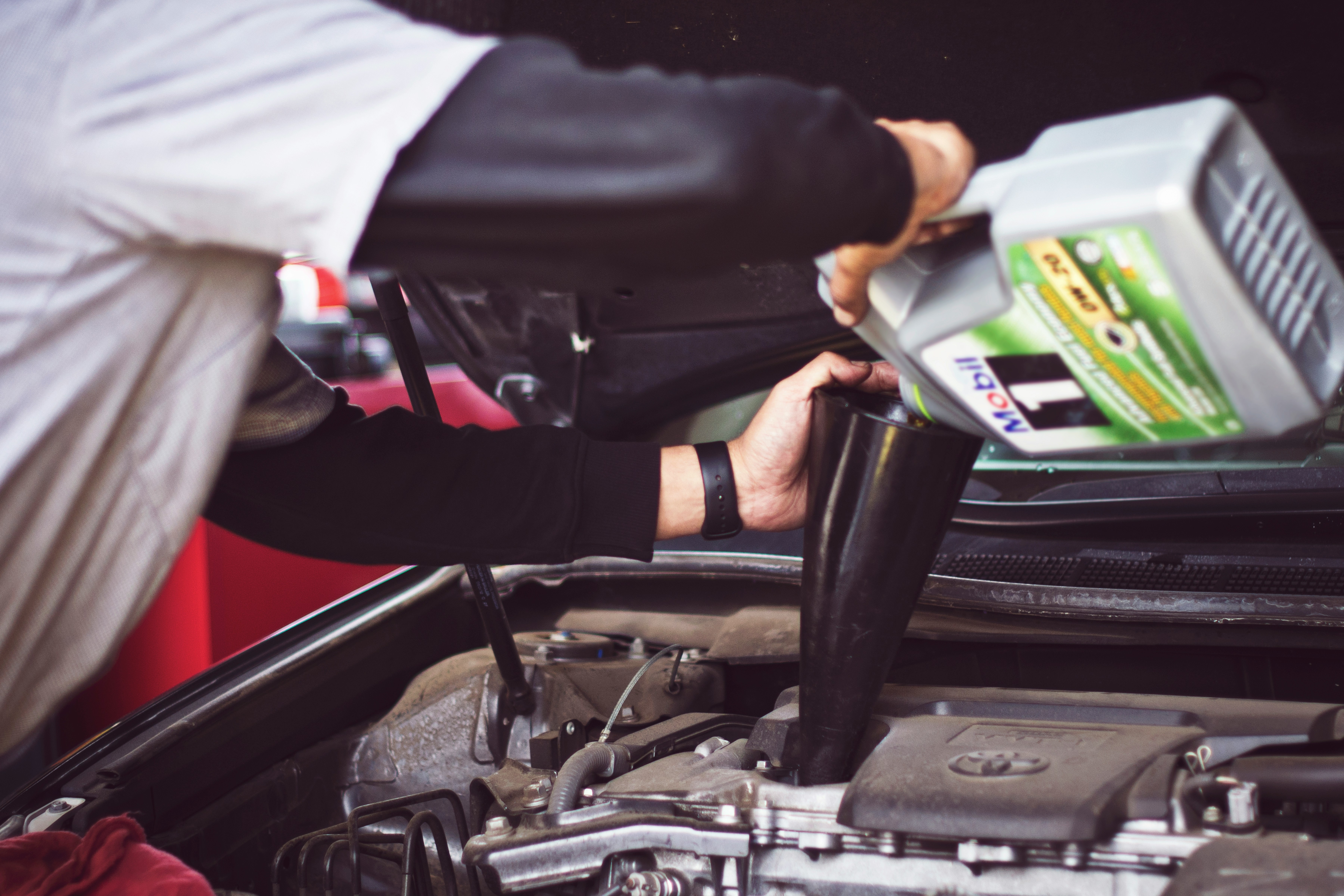
Checking Engine Oil
Checking oil is one of the most basic and important maintenance tasks.
It’s also one of the most empowering for beginners.
Learning how to:
• Locate the dipstick
• Remove and wipe it clean
• Reinsert and check the level
• Understand what “low” and “full” actually mean
It’s simple, but it gives someone a sense of control over their vehicle.
You don’t have to be mechanically minded to understand that oil helps protect the engine. When someone can check it themselves, it removes a layer of uncertainty.
Tyre Awareness
Tyres are another great starting point.
You don’t need to know everything about suspension geometry to understand tyre basics.
Beginners can learn:
• How to visually check for obvious wear
• What tyre pressure means
• Why uneven wear might matter
• Where to find recommended tyre pressures
Even just understanding that tyres affect safety, handling, and fuel use builds awareness.
And again, awareness builds confidence.
Lights and Visibility
Something as simple as checking that headlights, brake lights, and indicators are working can be a practical learning activity.
It teaches responsibility.
It teaches routine.
And it connects maintenance to real-world safety.
Checking washer fluid and understanding wiper condition might seem minor, but it reinforces the idea that small checks prevent bigger problems later.
Tools Without Overwhelm
For beginners, tools can look intimidating.
A spanner is just a shaped piece of metal. A socket wrench isn’t magic.
Part of building confidence is learning what basic tools are called and how they’re used safely.
Not rushing into heavy mechanical work. Just understanding:
• What a ratchet does
• What different spanner sizes mean
• How to tighten something correctly without overdoing it
That knowledge makes the workshop environment feel less overwhelming.
It’s Not About Perfection
One of the biggest barriers for beginners is the fear of getting it wrong.
In a supported environment, mistakes are part of learning. No one expects perfection.
The goal isn’t to memorise everything about vehicles.
The goal is to become comfortable enough to engage.
When someone moves from “I can’t do this” to “I understand how that works,” that’s progress.
Why This Matters Beyond Cars
Basic car maintenance is practical.
But the deeper value isn’t mechanical.
It’s learning how to approach something unfamiliar and break it down into manageable steps.
It’s asking questions.
It’s following a process.
It’s completing a task and seeing a clear result.
That mindset carries over into other areas of life.
Final Thoughts
You don’t need experience to start learning about cars.
You just need the right environment and someone willing to explain things in a way that makes sense.
Basic car maintenance isn’t about becoming a mechanic.
It’s about building understanding, responsibility, and confidence one small task at a time.
And sometimes, lifting the bonnet for the first time is all it takes to realise it’s not as complicated as it looked.